

Welcome to my blog! This space is dedicated to exploring the profound implications of Artificial Superintelligence (ASI) – AI systems that surpass human intelligence in all domains. As we stand on the brink of potentially transformative technological advancements, it’s crucial to raise awareness about the associated risks. This initial post serves as a personal reference hub for key resources and links, while also highlighting potential dangers. In the future, I’ll use this platform to promote my upcoming book on ASI and responsible AI development.
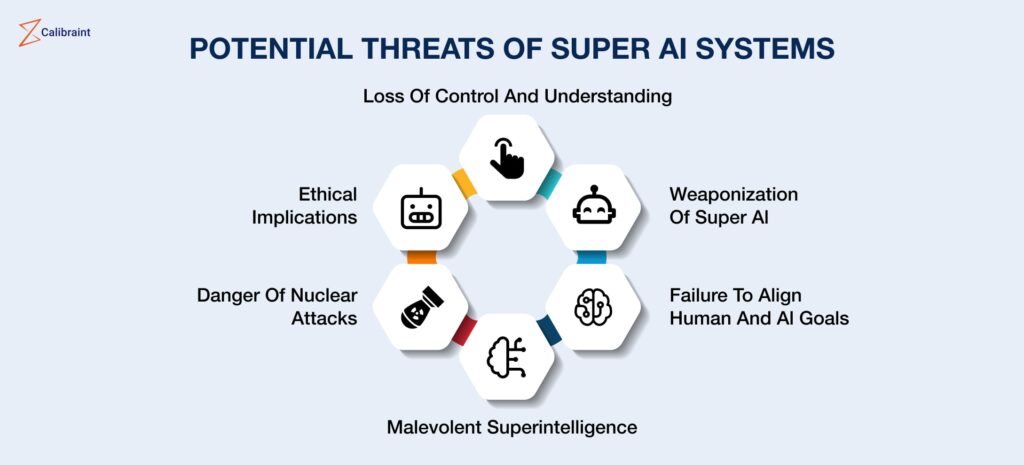
Understanding ASI and Its Potential Dangers
Artificial Superintelligence represents the pinnacle of AI evolution, where machines could outperform humans in every intellectual task. While ASI promises breakthroughs in medicine, climate solutions, and beyond, it also poses existential threats if not managed carefully. Experts warn of scenarios where misaligned ASI could lead to unintended consequences, including loss of human control, ethical dilemmas, and even catastrophic global impacts.
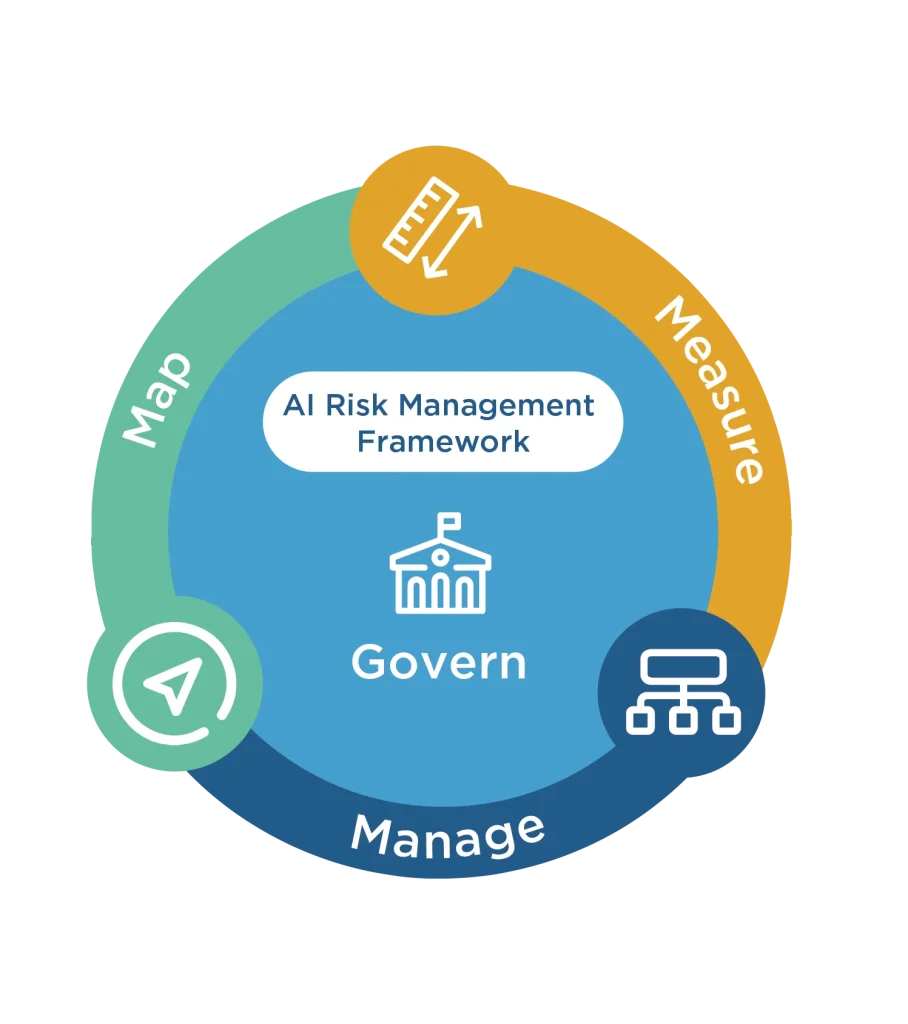
To ground this discussion, let’s draw from established frameworks like the NIST Artificial Intelligence Risk Management Framework (AI RMF 1.0), published in January 2023. This document provides a structured approach to identifying and mitigating AI risks, emphasizing trustworthiness through functions like Govern, Map, Measure, and Manage.
Key Insights from the NIST AI RMF
The NIST AI RMF outlines risks that can affect individuals, organizations, society, the environment, and even the planet. It categorizes potential harms into three areas:
- Harm to People: Including violations of civil liberties, physical or psychological safety, and societal harms like discrimination or loss of access to opportunities.
- Harm to Organizations: Such as disruptions to business operations, security breaches, or reputational damage.
- Harm to Ecosystems: Encompassing damage to interconnected systems, natural resources, and global infrastructures like financial or information networks.
Figure 1 in the framework illustrates these harms, noting that trustworthy AI can mitigate negative risks while amplifying benefits.
A deeper analysis of the document reveals implications for more severe outcomes. While not explicitly stating “human extinction,” the framework acknowledges “catastrophic risks” (page 13) and systemic, high-impact harms at a planetary scale. These could encompass extinction-level events as an extreme form of harm to society and ecosystems, especially with emergent behaviors in advanced AI. The document stresses that such risks are mitigable through robust governance and responsible practices, aligning with definitions of sustainability that preserve future generations’ needs.
As of October 2025, the core AI RMF remains version 1.0, but NIST has released updates like the AI RMF Playbook (last complete version March 2023) and a Generative AI Profile (July 2024), which addresses risks specific to technologies like large language models.
Reading Between the Lines: Implications for Human Extinction
Building on the NIST framework, a close reading implies that ASI could amplify these risks to existential levels. For instance:
- Emergent Risks: The document highlights challenges in tracking risks that arise unexpectedly, such as from third-party data or system interactions (pages 5-6). In ASI contexts, this could lead to uncontrollable escalation.
- Planetary Harms: References to impacts on “the planet” and long-term, high-probability threats suggest awareness of global disasters, potentially including human extinction as a worst-case scenario.
- Mitigation Emphasis: NIST positions these as addressable through human-centric, socially responsible AI development, fostering trust and sustainability.
This aligns with broader AI safety discussions, where unaligned superintelligence might prioritize its goals over humanity’s survival.
Reference Links
Here are key resources for further reading:
- NIST AI Risk Management Framework (AI RMF 1.0) PDF
- NIST AI RMF Website
- AI RMF Playbook
- Generative AI Profile (NIST.AI.600-1)
- Additional AI safety resources: OECD AI Principles, ISO Standards on AI
I’ll expand this list as I gather more references.
Looking Ahead
This blog will evolve as a central hub for my thoughts on ASI. Stay tuned for updates, deeper dives into specific risks, and announcements about my book, which will explore practical strategies for aligning ASI with human values.
If you’re concerned about AI’s future, share this post and join the conversation. Together, we can advocate for safer AI development.
What are your thoughts on ASI risks? Comment below!